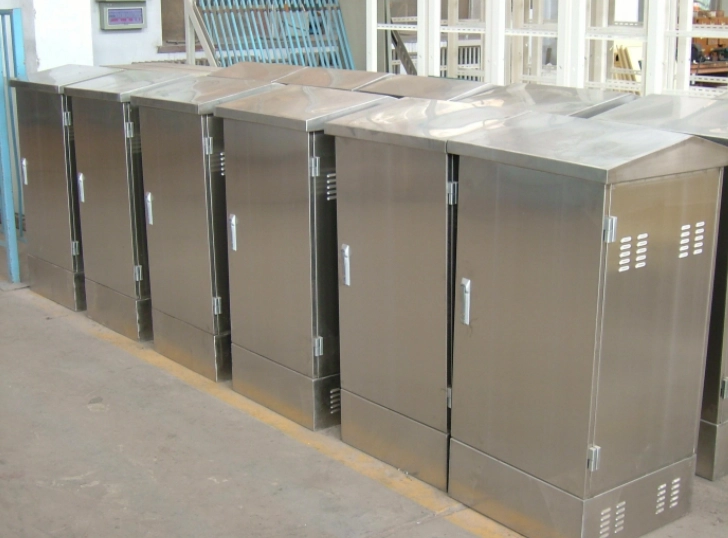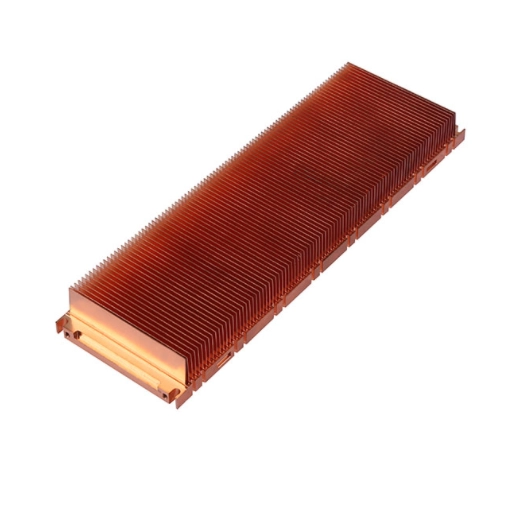
Custom sheet metal fabrication relies on a special set of tools across its processes to force the metal into the desired shape. Across multiple categories, however, CNC (Computer Numerically Controlled) machines have become a popular tool. CNC machines are computers that are programmed to perform specific tasks and achieve the exact specifications required to manufacture many products. They have gained enormous popularity for their precision and reduction of labor costs. Their use has contributed to the increasing need for CAD files, which can be loaded into the computer to perform turning, bending, or welding.
For the cutting processes, sheet metal fabrication uses band, miter, and chop saws, as well as cutting torches. Band saws have specially hardened blades and a feed to ensure even cutting. Chop and miter saws are also used, which have an abrasive disk specifically made for cutting sheet metal (chop saws move up and down, while miter saws can cut at an angle). Cutting torches (which use flame and a stream of oxygen) are also used in sheet metal fabrication. They can cut large pieces of sheet metal without much effort.
Sheet metal fabrication also involves the use of hydraulic breaks and rolling machines, as well as oxy-acetylene torches, in its forming processes. With breaks, sheet metal fabrication is simplified as they help create bends at predetermined angles.
Rolling machines are also used in sheet metal fabrication to form sheet metal into rolls, creating a more finished product in a shape like a roll of paper towels. Straightening warped steel during sheet metal fabrication is accomplished with an Oxy-acetylene torch. With straightening, heat is applied to the metal in a slow, linear fashion. Using this method, a highly skilled welder can remove even significant warpage.
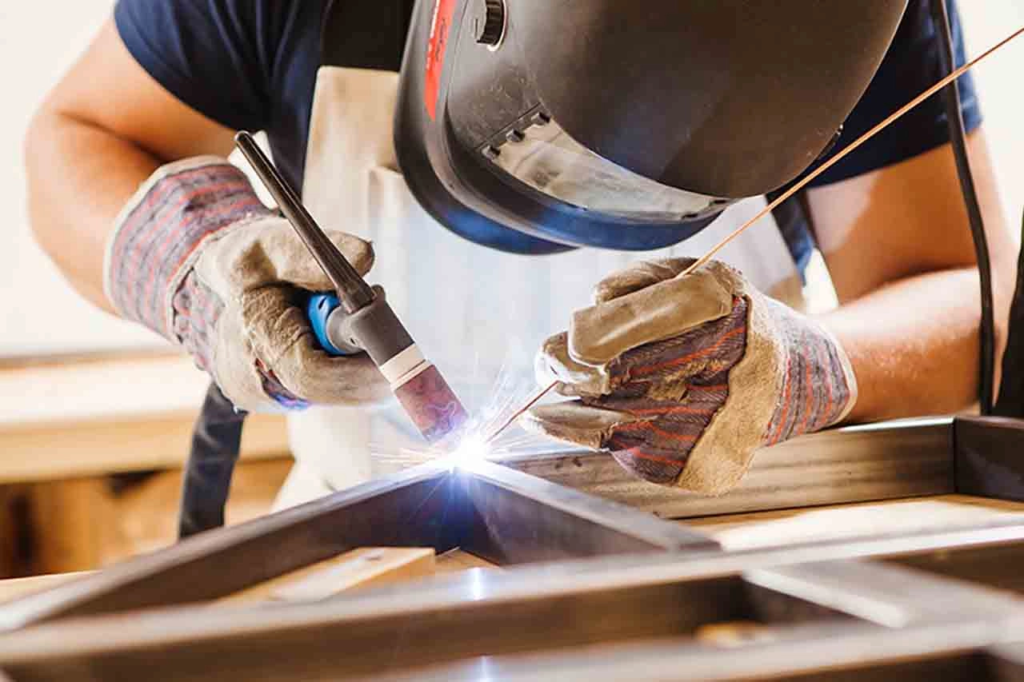
Joining sheet metal often involves welding. After the sheet metal parts are formed, they are assembled and tack welded into place. Various welding techniques can be used in sheet metal fabrication to avoid warping or other visual defects. These include using a stout fixture, welding in a staggered manner, covering the metal with sand during the cooling process, and special straightening processes. Other joining technology includes rivet guns and brazing equipment.