
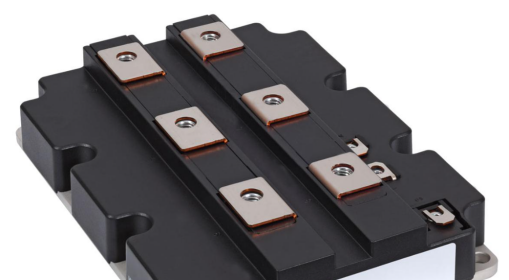
Specify IGBT module and industrial inverter heatsinks by balancing pin-fin density, bolted-joint interface quality, and thermal-cycling reliability—with cold-forged pin fins offering a repeatable, high-performance manufacturing route.
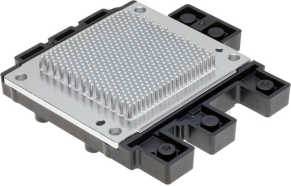
EV power electronics cooling succeeds or fails at the mechanical boundary where silicon meets aluminium. This guide covers heatsinks for traction inverters, onboard chargers, and motor drives against IATF 16949 vibration and thermal-cycling demands.
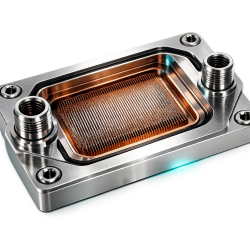
When rack airflow can't remove AI-accelerator heat flux, microchannel cold plates take over. This guide covers channel geometry, the pressure-drop trade-off, flatness and leak standards, and the data needed to quote production-ready plates.
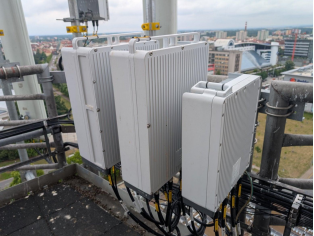
Massive MIMO radios run hotter than 4G and must shed heat unattended for a decade inside IP65/IP67 sealed enclosures. This guide covers passive and hybrid die-cast-plus-cold-forged pin-fin designs within mast weight budgets.
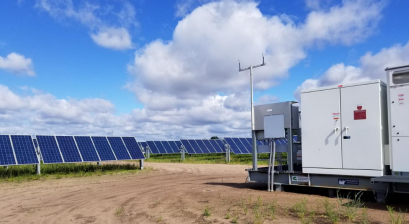
Keep string inverters and battery storage systems from midday derating with heatsinks built for decades of unattended outdoor duty—IP65/IP66 sealing against dust and salt fog while holding low thermal resistance at volume.
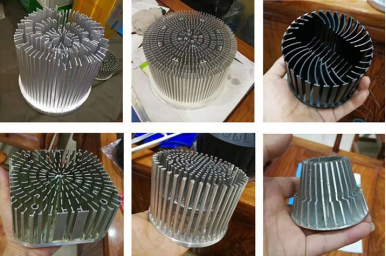
Cold forged heat sinks compared to extrusion and skiving—process, fin density limits, material options, and how to specify one for high-density cooling.
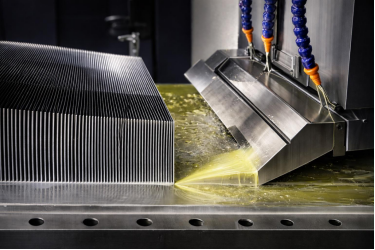
Skived fin heat sink design and manufacturing—how skiving works, why monolithic construction lowers thermal resistance, fin geometry trade-offs, materials, DFM rules, and quality verification.
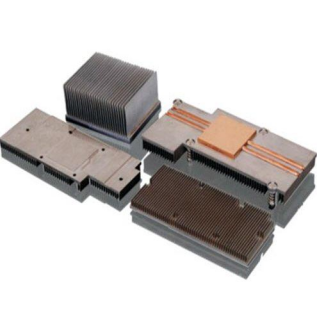
A complete engineering guide to custom heatsink design and manufacturing—processes, materials, quality assurance, and how to choose the right path for your thermal problem.
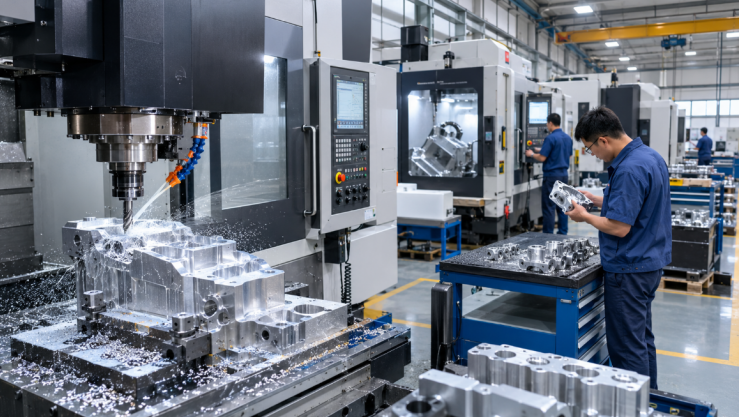
Finding a CNC machining service? Check machine fleet, tolerance, materials, and QC from prototype to production, then request a quote.