
How to Find a Reliable CNC Machining Service from Prototype to Production
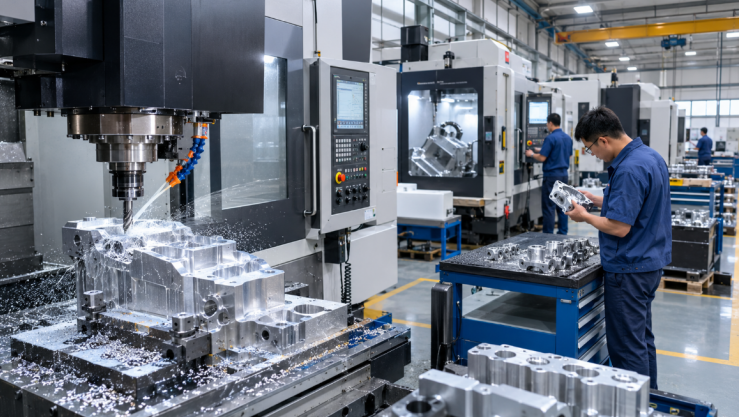
Finding a CNC machining service? Check machine fleet, tolerance, materials, and QC from prototype to production, then request a quote.
Top 10 Metal Fabrication DFM Tips to Cut Cost and Speed Production
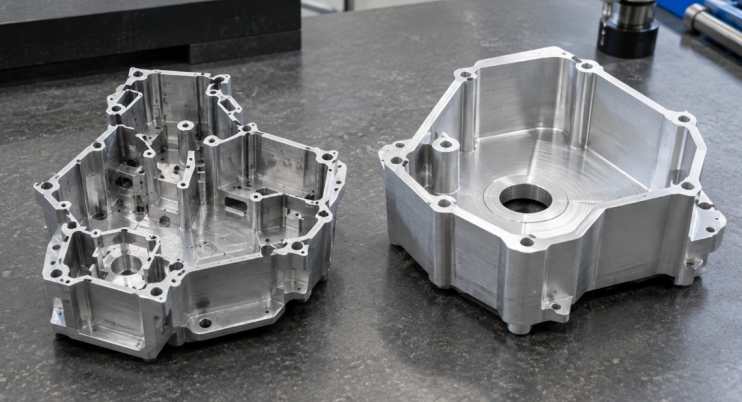
Ten metal fabrication DFM tips to cut cost and speed production, from wall thickness to tolerances and finishing. Get a Goldconn DFM review.
Custom Metal Fabrication Cost: What Drives the Price and How to Save

Custom metal fabrication cost depends on material, complexity, tolerance, tooling, and volume. Get a Goldconn DFM review for a quote.
How to Choose a Custom Heatsink Manufacturer
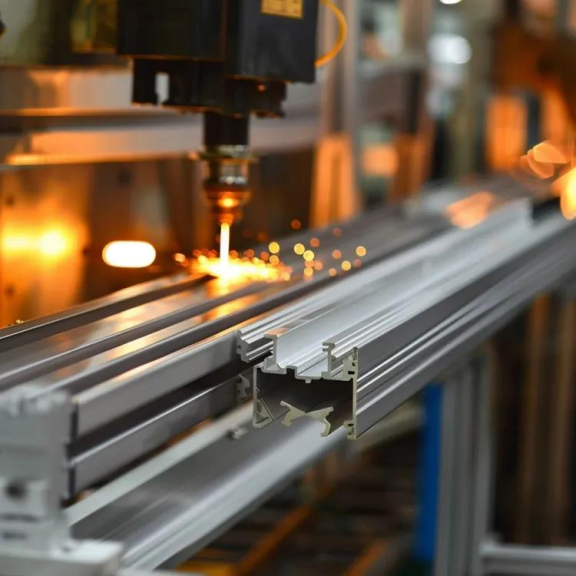
Picking a custom heatsink manufacturer? Compare process range, simulation, quality system, and lead time, then get a Goldconn DFM review.
Liquid Cold Plate vs Heatsink: Which Cooling Solution Do You Need
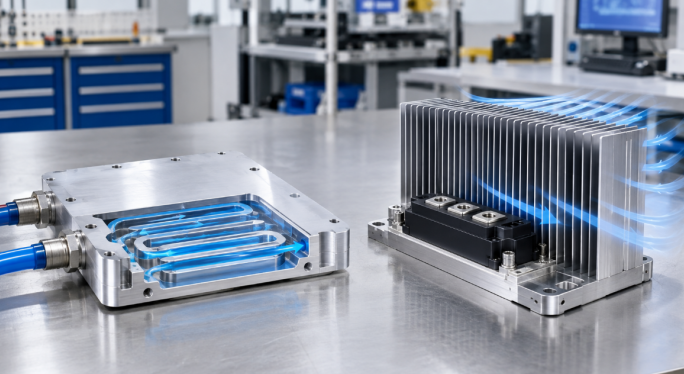
Liquid cold plate or air-cooled heatsink? See how each cools, where it fits, and what drives the choice, then get a Goldconn DFM review.
How to Choose a Custom Metal Fabrication Supplier
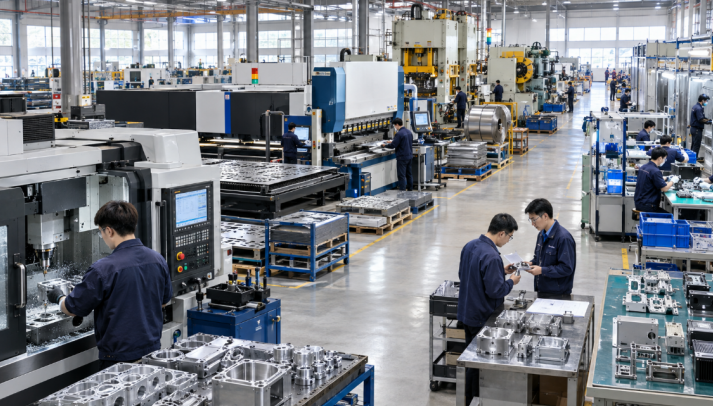
A practical buyer’s checklist for choosing a custom metal fabrication supplier: capabilities, certifications, DFM support, quote comparison, and red flags to avoid.
Sheet Metal Fabrication vs Hard Stamping: Which Process Fits Your Part
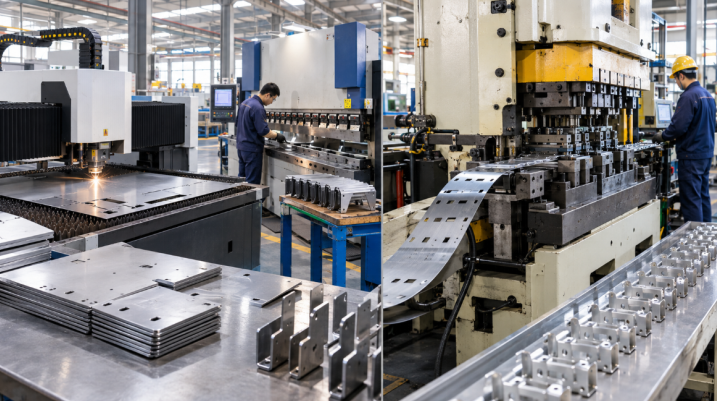
Sheet metal fabrication vs hard stamping? Compare tooling, tolerances, lead time and volume to pick the right process. Get a free DFM review.
Die Casting vs CNC Machining: Cost, Tolerances, and Lead Time
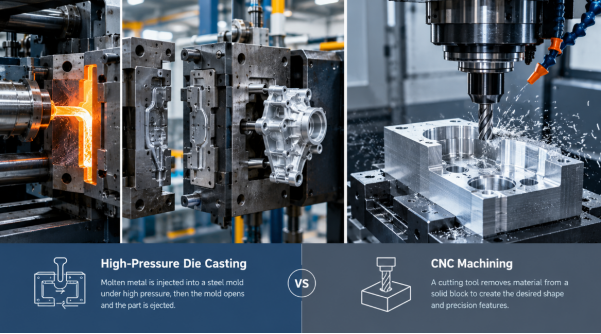
Die casting needs tooling and a 4-8 week lead time; CNC ships with no tool. Use this cost, tolerance, and lead-time guide to choose the right process for your volume.
Metal Stamping vs Laser Cutting: When to Use Each Method
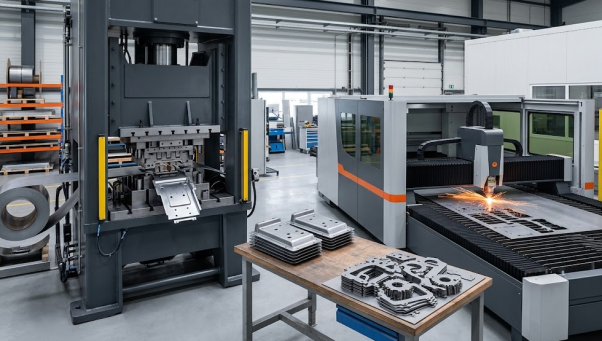
Stamping needs a die and lead time; laser cutting ships in days with no tool. Use this volume and tolerance guide to pick the right method for your part.
Custom Metal Fabrication Services: A B2B Guide for OEMs
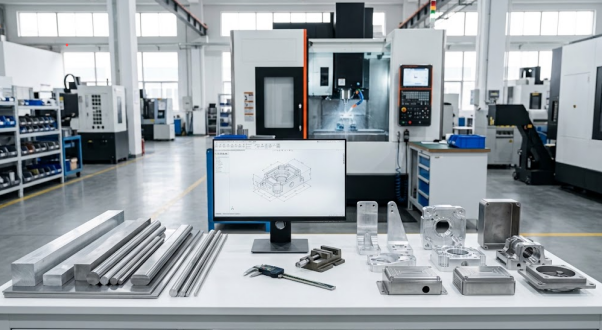
A practical B2B guide to custom metal fabrication for OEMs: core processes, how to choose the right one, supplier checklist, and cost drivers.